Flower Star: A Versatile Display Font for Editorial Design
Flower Star is a display font that brings a sense of charm and elegance to any editorial project. With its delicate curves and playful yet refined design, it stands out as a go-to choice for creative professionals who want to elevate the visual appeal of their content.
Visual Characteristics and Editorial Appeal
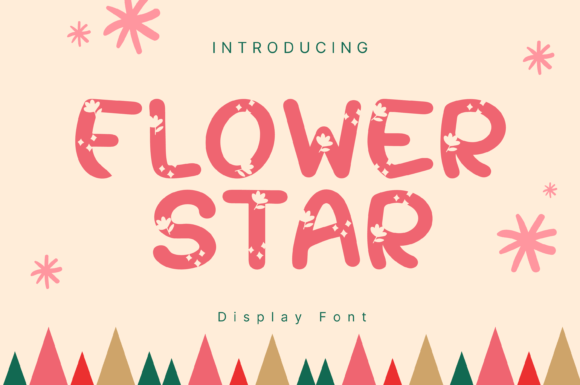
The Flower Star font features soft, flowing lines that evoke a sense of warmth and approachability. Its unique character shapes and subtle variations in stroke weight give it a handcrafted feel, making it ideal for projects that aim to convey creativity, personalization, or a touch of whimsy.
This font’s style blends well with a wide range of themes—from lifestyle blogs to wedding guides—offering a versatile solution for designers looking to add personality without sacrificing readability. The floral-inspired motifs in its letterforms can subtly reinforce thematic elements in content layouts, helping to create a cohesive visual narrative.
Applications in Editorial Design
Flower Star shines in situations where visual impact is key. It works exceptionally well for blog headers, magazine covers, and ebook titles, where it can draw attention and set the tone for the reader. For example, a lifestyle blog could use Flower Star for its main heading to instantly communicate a warm and inviting atmosphere.
In digital magazines or newsletters, this font can be used for section headings or pull quotes, creating a focal point that guides the reader’s eye. When paired with a clean sans serif font for body text, it ensures that the layout remains both visually engaging and easy to read.
For printable materials such as worksheets, planners, or guidebooks, Flower Star adds a decorative yet professional edge. It can be used for chapter openers, section titles, or even as part of a branded logo, reinforcing a consistent identity across all publication formats.
Readability and Practical Considerations
While Flower Star is a display font, it maintains a level of clarity that makes it suitable for short bursts of text. It performs well on screens, in PDF exports, and when printed, ensuring that your content remains legible across different mediums. However, it’s best reserved for headlines, subtitles, and accents rather than extended body copy.
When designing for mobile layouts, it’s important to test how Flower Star renders at smaller sizes. Its intricate details may become less visible on very small screens, so using it sparingly and pairing it with more straightforward fonts for body text helps maintain usability.
Font Pairing and Brand Identity
To create a balanced and harmonious layout, consider pairing Flower Star with a complementary font. A modern serif font like Playfair Display or a clean sans serif like Lato can provide a strong contrast while maintaining visual cohesion. This combination allows you to leverage the expressive nature of Flower Star for headings while ensuring that the rest of the content remains readable and professional.
Using Flower Star consistently across different elements of a publication—such as headers, logos, and promotional graphics—can help build a strong brand identity. Its distinctive style becomes a signature element that readers begin to associate with your work, enhancing recognition and engagement.
Commercial Use and Licensing
If you’re planning to use Flower Star in commercial projects such as ebooks, printables, or client publications, it’s essential to ensure that you have the appropriate licensing. Many premium fonts require specific licenses for web use, print, or distribution, so always check the terms provided by the font’s creator or distributor.
For independent creators or publishers, investing in a commercial license not only supports the font designer but also ensures that your work meets legal standards, especially if you plan to distribute your content through paid platforms or include it in downloadable products.
Practical Examples of Use
Imagine using Flower Star for the title of a recipe ebook. Its gentle, floral aesthetic complements the theme of food and home, adding a touch of elegance to the cover. Similarly, a coaching workbook might use this font for chapter headings, reinforcing a nurturing and encouraging tone throughout the material.
A digital magazine focused on travel could feature Flower Star in its header and article titles, evoking a sense of adventure and beauty. In a creator newsletter, it can be used for subject lines or featured quote graphics, drawing attention and increasing reader interaction.
Even in packaging design or social media graphics, Flower Star can serve as an eye-catching element that aligns with the overall brand message and visual style.
By thoughtfully integrating Flower Star into your editorial designs, you can enhance the visual appeal of your content while maintaining a clear and engaging reading experience. Whether you're crafting a blog post, designing a magazine, or developing a printable guide, this font offers a unique way to express creativity and connect with your audience.